


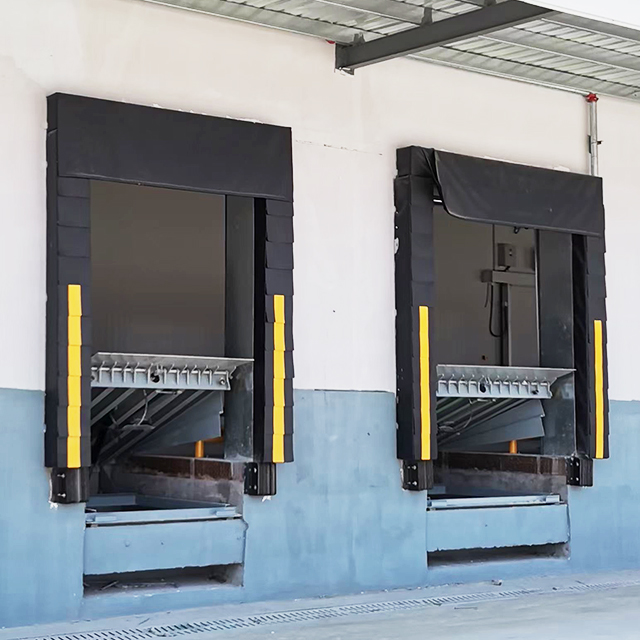


HDL-01
EVERBESTEN
008
Warehouse, Loading Dock and Logistics Center
High-Cycle Industrial Operation
8–15 Ton Dynamic Capacity
6–8 mm Q235 Anti-Slip Steel Plate
12–15 mm Q235 Anti-Slip Steel Plate
One-Button Hydraulic Control System
380V / 3 Phase / 60Hz
Stable Hydraulic Lifting and High Load Capacity
Push-Button Operation, Durable Structure and Custom Configuration
CE / ISO9001 / SGS
Customized Size and Color


Product Description
The EVERBESTEN hydraulic dock leveler bridges the height difference between the warehouse platform and truck bed.
Its powered hydraulic system raises the deck and extends the lip through simple push-button control, providing a stable transition for forklifts and pallet trucks.
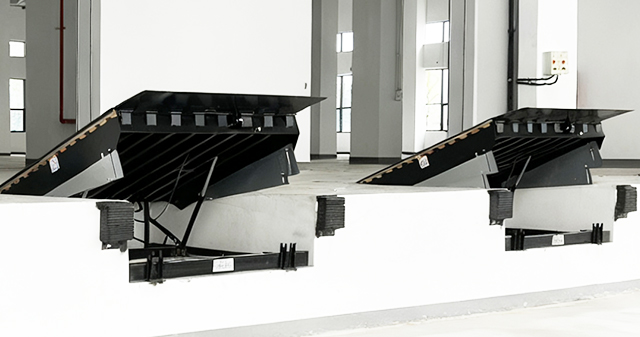
Pressing the control button activates the hydraulic power unit and raises the platform. The lip then extends toward the truck bed.
After the button is released, the platform lowers until the lip rests on the truck, creating a stable passage for loading and unloading
Hydraulic dock levelers are designed to meet the demands of intensive loading dock operations.
Smooth and controlled lifting and lowering
High load capacity for heavy-duty operations
Reduced maintenance compared to spring-based systems
Improved safety for operators and equipment
Suitable for high-frequency loading docks
These advantages make hydraulic dock levelers a preferred choice for large logistics centers and industrial facilities.
The main difference between hydraulic and mechanical dock levelers lies in their operating systems.
Hydraulic dock levelers use powered hydraulic cylinders, offering precise control and smoother operation. Mechanical dock levelers rely on spring mechanisms and manual activation, which may result in less controlled movement. For facilities with high traffic volume and heavy loads, hydraulic dock levelers are generally the better long-term solution.
| Feature | Hydraulic Dock Leveler | Mechanical Dock Leveler |
|---|---|---|
| Operation | Push-button control | Manual pull-chain operation |
| Lifting System | Hydraulic cylinders | Spring mechanism |
| Operator Effort | Low | Higher |
| Movement | Powered and controlled | Mechanically released |
| Maintenance Focus | Hydraulic oil, hoses and cylinders | Springs and mechanical adjustment |
| Recommended Use | High-frequency loading docks | Lower-frequency loading docks |

Hydraulic Dock Leveler

Mechanical Dock leveler
Hydraulic dock levelers are widely used in facilities that require reliable and continuous loading operations.
Warehouses and distribution centers
Logistics and fulfillment facilities
Manufacturing plants
Cold storage and temperature-controlled warehouses
Retail and e-commerce distribution hubs
These environments benefit from the durability and stability of hydraulic dock leveling systems.

The hydraulic power unit provides controlled platform lifting and lip extension for high-cycle dock operations.
The main deck uses a 6–8 mm Q235 anti-slip steel plate for stable forklift movement.
The 12–15 mm Q235 steel lip provides strong contact between the dock platform and truck bed.
The anti-slip platform, emergency stop, hydraulic safety components and maintenance support structure help improve operating and servicing safety.

Hydraulic Dock Leveler I-Beam

Hydraulic Dock Leveler Open Hinge

Hydraulic Dock Leveler Motor

Hydraulic Dock Leveler Main+Lip Board

Control Box

Motor
| Item | Specification |
|---|---|
| Model | HY-01 |
| Dynamic Capacity | 8–15 Ton |
| Main Plate | 6–8 mm Q235 Anti-Slip Steel |
| Lip Plate | 12–15 mm Q235 Anti-Slip Steel |
| Lifting System | Hydraulic Power Unit |
| Control System | One-Button Hydraulic Control |
| Power Supply | 380V / 3 Phase / 60Hz |
| Using Cycles | High-Cycle Industrial Operation |
| Installation | Pit-Mounted |
| Size & Color | Customized |
Final capacity, platform dimensions and pit requirements should be confirmed according to the loading dock project.
Hydraulic dock levelers can be customized based on dock layout, load requirements, and operational workflow. Custom options may include platform dimensions, control systems, safety accessories, and surface treatments.
Customized configurations ensure compatibility with different truck types and loading conditions.
 Hydraulic Dock Leveler Drawing.pdf
Professional installation is essential to ensure proper alignment and reliable operation. Hydraulic dock levelers typically require less routine adjustment than mechanical systems, contributing to lower maintenance needs.With regular inspection and proper use, hydraulic dock levelers are designed for long-term service in demanding industrial environments.
Mechanical Dock Leveler
Edge-of-Dock Leveler
These solutions address different loading dock requirements and budget considerations.
EVERBESTEN provides project-based dock equipment selection and customization.
Configuration based on pit size and operating load
Customized platform, capacity and lip dimensions
Reinforced steel structure
Factory inspection before delivery
Matching dock shelters, industrial doors and dock accessories
Installation drawings and technical documents
Export packaging and international project support
For detailed specifications or project-based pricing, you can request technical documentation or a customized quotation. Providing information about dock height, load capacity, and usage frequency helps ensure the correct hydraulic dock leveler configuration.
A hydraulic dock leveler is a pit-mounted platform used to bridge the height difference between a loading dock and a truck.
The available dynamic capacity is 8–15 tons. The final capacity should be selected according to the forklift, cargo and operating conditions.
Yes. Powered hydraulic operation makes it suitable for warehouses, logistics centers and industrial facilities with frequent loading cycles.
Hydraulic models use powered cylinders and push-button control. Mechanical models use springs and require more manual operation.
Yes. Platform dimensions, capacity, lip size and color can be customized according to the dock pit.
Please provide the pit dimensions, dock height, truck bed height range, rated load, operating frequency and power supply.


