


EVERBESTEN
Logistics Loading and Unloading Bay Area
At Least 50 Cycles Per Day
8-20 Ton
8 mm high strength embossed non-slip steel material
15 mm thickness extension lip plate embossed non-slip steel material
Dock Leveler Control System
380V/3 Phase/60Hz(Custom)
Stable& Reliable Routine Using For Loading & Unloading
ISO & CE
Customized Size and Color


Product Description
Dock levelers are essential loading dock solutions designed to bridge the height difference between a warehouse floor and a truck bed. By providing a smooth and stable transition, dock levelers improve loading efficiency, reduce equipment damage, and enhance safety during material handling operations.This page introduces the main types of dock levelers, how they work, and how to choose the right solution for different loading dock environments.
A dock leveler is a mechanical or hydraulic platform installed at the loading dock opening. It adjusts vertically to compensate for variations in truck bed height, allowing forklifts and pallet trucks to move safely between the dock and the vehicle.
Dock levelers typically consist of a platform, lip, frame, and operating system. When activated, the leveler positions the lip onto the truck bed, creating a secure bridge for loading and unloading operations.
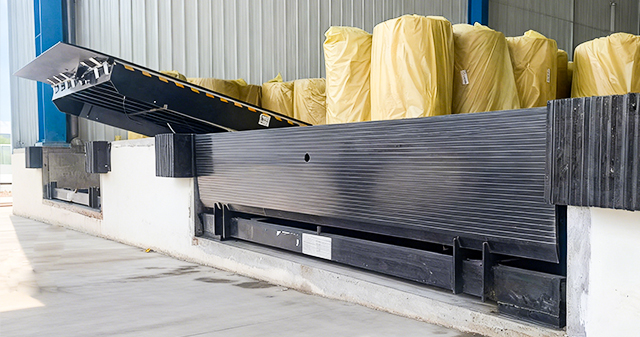
Dock levelers are used to improve safety and efficiency at loading docks where trucks of different heights arrive throughout the day. Without a dock leveler, height differences can cause instability, product damage, and safety risks.
By creating a level working surface, dock levelers help reduce accidents, improve loading speed, and support continuous logistics operations in warehouses and distribution centers.
There are several types of dock levelers designed to meet different operational needs, dock structures, and budget considerations.
Hydraulic dock levelers use a hydraulic power system to raise and position the platform and lip. They offer smooth operation, precise control, and high reliability, making them suitable for high-frequency and heavy-duty loading operations.Hydraulic dock levelers are commonly used in modern logistics centers and automated facilities.
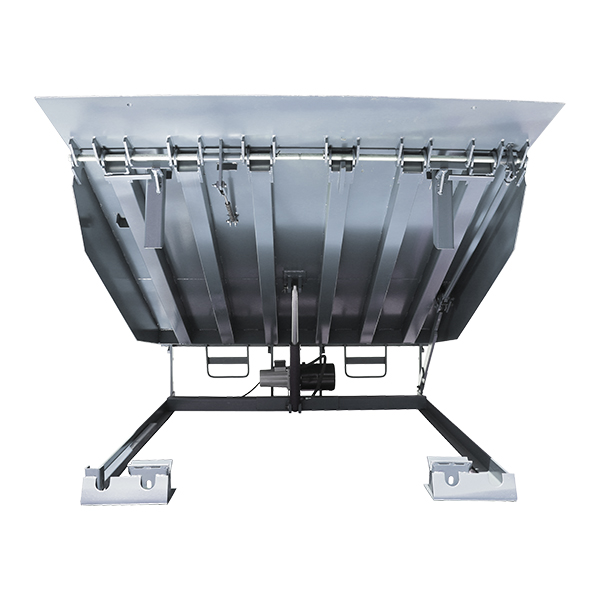
Mechanical dock levelers are operated using a spring-assisted mechanism and manual activation. They provide a cost-effective solution for facilities with moderate loading frequency.These dock levelers are known for their simple structure and durability, making them suitable for traditional loading dock applications.
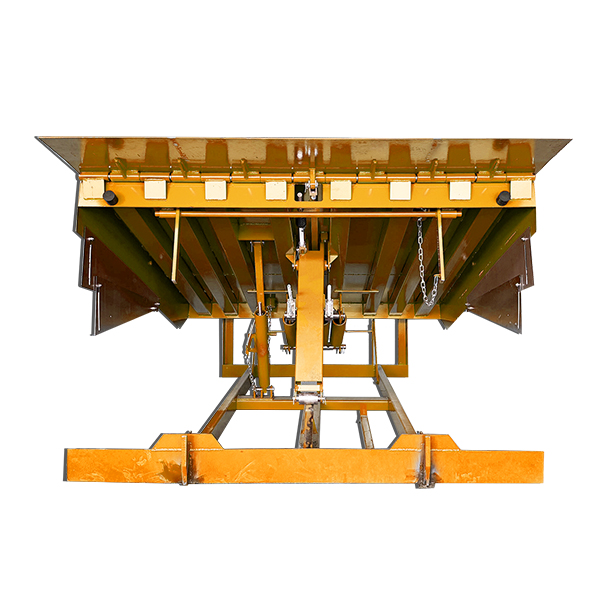
Edge-of-dock levelers are mounted directly to the edge of the dock instead of being recessed into a pit. They are ideal for facilities where dock pits are not available or where installation space is limited.Edge-of-dock levelers are often used for lighter loads and smaller loading docks.
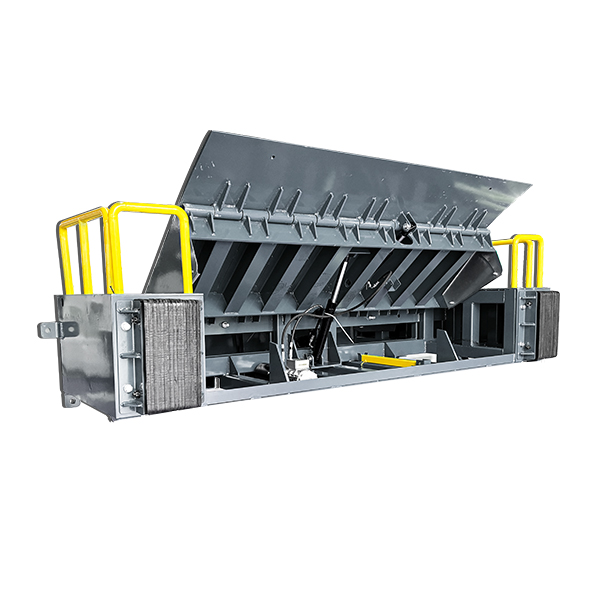
Dock levelers are permanently installed solutions designed for fixed loading docks, while dock ramps are typically mobile or semi-permanent solutions used when trucks are loaded at ground level.
Dock levelers are preferred for high-volume operations requiring consistent performance, while dock ramps offer flexibility for temporary or low-frequency loading scenarios.
 Dock Leveler
  Dock Ramp
 Dock levelers are widely used in facilities where goods are loaded or unloaded regularly.
Common applications include:
Warehouses and distribution centers
Logistics and fulfillment hubs
Manufacturing plants
Retail distribution facilities
Cold storage and food processing warehouses
Each application may require a different dock leveler type based on load capacity and usage frequency.
Choosing the right dock leveler depends on factors such as load capacity, truck height variation, loading frequency, dock configuration, and safety requirements.High-frequency operations often benefit from hydraulic dock levelers, while mechanical or edge-of-dock solutions may be suitable for lower traffic environments.
Safety features are a critical part of dock leveler design. Common safety elements include lip safety devices, maintenance struts, anti-slip platform surfaces, and emergency stop functions.
Proper training, routine inspection, and correct operation help ensure safe dock leveler performance throughout its service life.
Dock levelers can be customized to meet specific project requirements. Customization options may include platform size, load capacity, control systems, safety accessories, and surface finishes.
Customized dock levelers help ensure compatibility with different vehicle types and loading conditions.
Hydraulic Dock Leveler
Mechanical Dock Leveler
Edge-of-Dock Leveler
Each dock leveler solution is designed to support safe and efficient loading dock operations.
Professional installation ensures proper alignment and reliable operation of dock levelers. Routine maintenance includes inspection of hydraulic systems, springs, lips, and safety components.
Manufacturers typically provide technical documentation and after-sales support to ensure long-term performance.
For detailed specifications or project-based pricing, you can request technical documentation or a customized quotation. Providing information about dock height, vehicle types, and loading frequency helps ensure the correct dock leveler solution.
What is a dock leveler?
A dock leveler is a loading dock device designed to bridge the height gap between a dock and a vehicle bed, allowing safe and efficient loading and unloading.
What are the main types of dock levelers?
Common dock leveler types include hydraulic dock levelers, mechanical dock levelers, vertical dock levelers, edge-of-dock levelers, and safety or anti-fall dock levelers.
What is the difference between a vertical dock leveler and a standard dock leveler?
Vertical dock levelers store in an upright position when not in use, allowing dock doors to close fully. This improves hygiene, sealing, and security compared to standard horizontal dock levelers.
Are dock levelers required for loading docks?
Dock levelers are commonly used at loading docks to improve safety and efficiency. While not always mandatory, they are strongly recommended for controlled loading operations.
What dock leveler is best for cold storage or food facilities?
Vertical dock levelers are often preferred for cold storage and food facilities due to their improved sealing, hygiene, and environmental control.
How do dock levelers improve loading dock safety?
Dock levelers reduce height gaps, stabilize forklift movement, and support controlled loading operations. Safety dock levelers further reduce accident risk by incorporating anti-fall features.
Can dock levelers be integrated with other dock equipment?
Yes, dock levelers are commonly integrated with dock shelters, dock seals, vehicle restraint systems, and dock doors as part of a complete loading dock solution.
Are dock levelers customizable?
Yes, dock levelers can be customized based on dock dimensions, load capacity, safety requirements, and operating conditions to match specific project needs.
How do I choose the right dock leveler?
Choosing the right dock leveler depends on loading frequency, safety requirements, hygiene needs, dock layout, and vehicle types. Evaluating these factors helps determine the most suitable solution.


